Sleeping in Old Kyoto
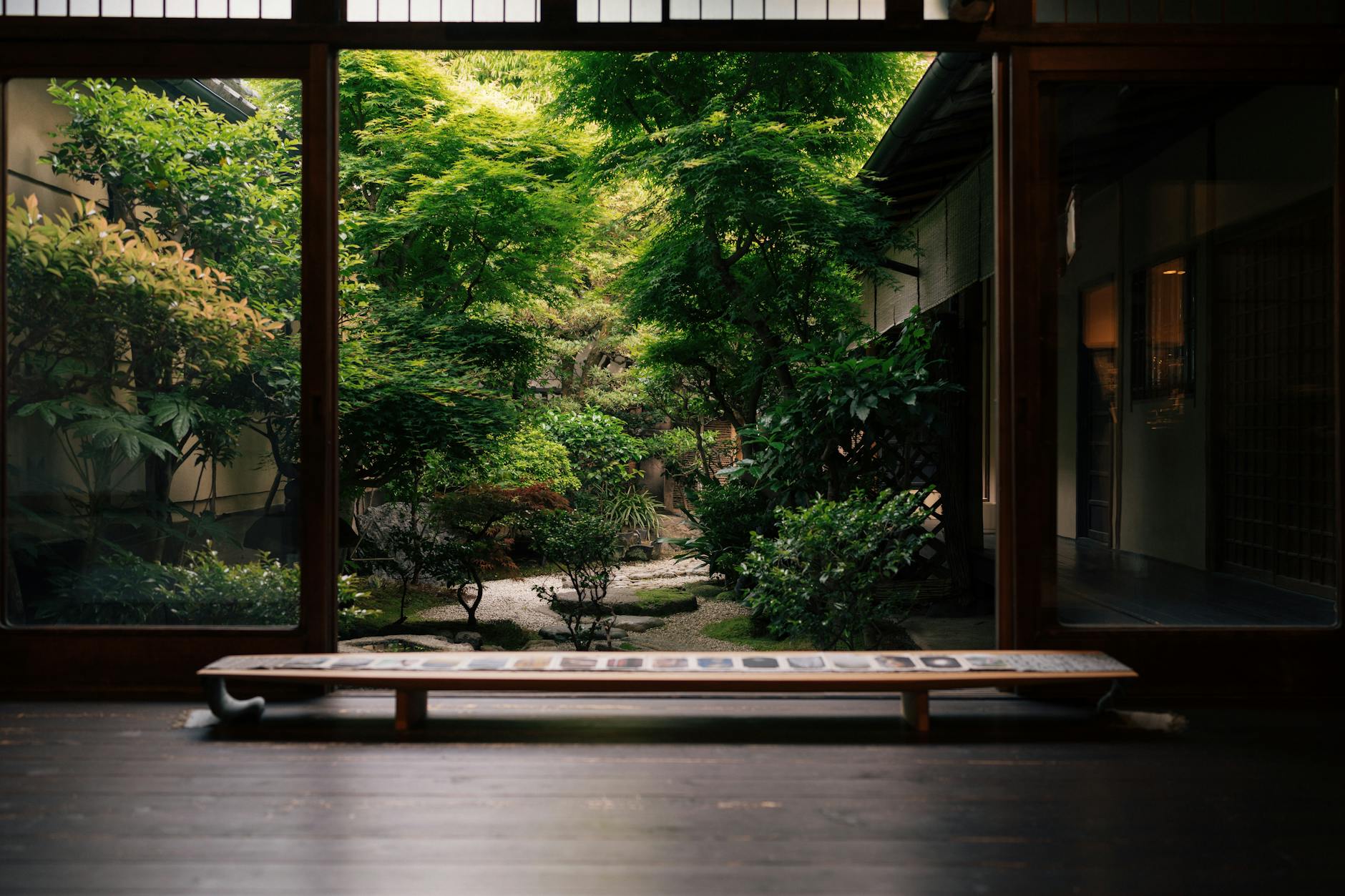
Kyoto is Japan’s undisputed capital of traditional hospitality, and a stay in a ryokan - a Japanese inn built around the principles of omotenashi, or selfless service - remains one of the most transformative things a traveller can do in this country. The formula is ancient and precise: tatami floors, futon bedding laid by hand each evening, communal or private hot-spring baths, and a multi-course kaiseki dinner that treats seasonal ingredients as a kind of philosophy. What varies enormously is scale, age, price, and neighbourhood character.
At the top end, Kyoto’s grand ryokan are among the most expensive hotels on earth, and worth every yen for a special occasion. The mid-range tier, clustered in Higashiyama, Arashiyama, and the central wards, offers much of the same ritual at a fraction of the cost. Budget options exist too - honest, unpretentious places that honour the form without the theatre. When choosing, consider how much of the day you’ll actually spend at the property: if you’re out sightseeing from dawn to dusk, a splurge on kaiseki dinner may matter more than the room itself.
Before You Book
Most traditional ryokan require you to choose a dinner plan at the time of booking, and cancellation policies are strict. Communicate dietary restrictions clearly and in advance - kitchens here are accommodating but not improvisational. Arrive at the appointed check-in time; the preparation of your room, bath, and dinner is choreographed to the hour. Remove shoes at the entrance, wear your yukata to breakfast, and resist the urge to rush. The entire point of a ryokan stay is the deliberate slowing of time - let it work.