Exploring the Balkans: Europe’s Last Great Frontier
Few corners of Europe pack as much drama - geographical, historical, and cultural - into such a compact space as the Balkans. Stretching from the limestone peaks of Slovenia in the northwest to the sun-scorched plains of North Macedonia in the south, this patchwork of nations sits at the crossroads of empires: Roman, Byzantine, Ottoman, Austro-Hungarian. The result is a region of staggering contrasts, where Orthodox monasteries perch above Adriatic coves, medieval walled cities buzz with rooftop bars, and mountain villages survive almost unchanged from another century.
For travellers tired of over-touristed western Europe, the Balkans offer a compelling alternative: world-class natural landscapes, genuinely warm hospitality, extraordinary food, and prices that still feel like a revelation.
The Character of the Region
The Balkans resist easy generalisation. Each country - Slovenia, Croatia, Bosnia & Herzegovina, Serbia, Montenegro, Albania, North Macedonia, Kosovo - has its own language, cuisine, and cultural DNA. What unites them is a sense of resilience and reinvention. Cities like Sarajevo, Belgrade, and Tirana wear their turbulent 20th-century histories openly, but they are also some of the most energetic, forward-looking urban scenes on the continent.
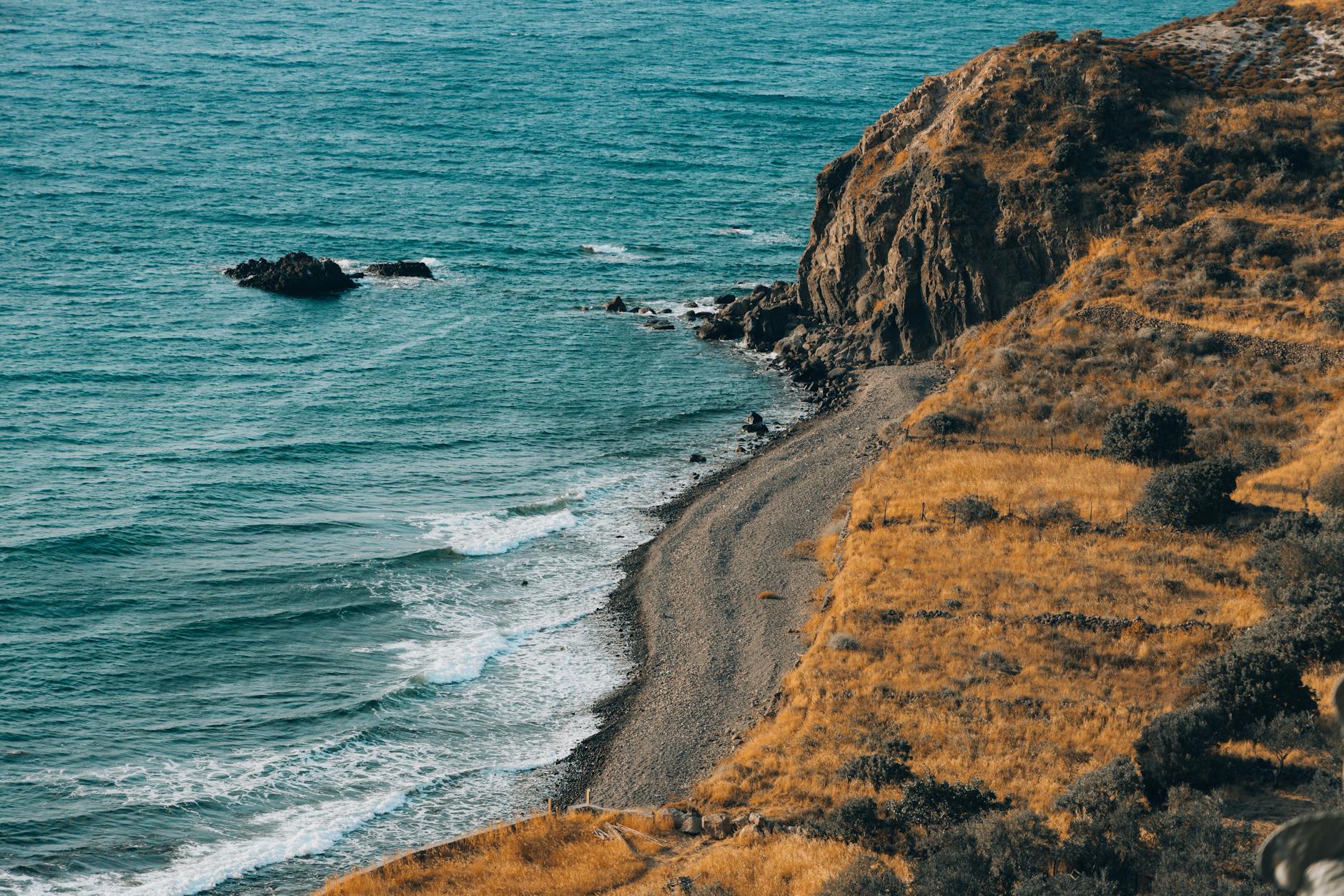
Nature is the other constant. The region is disproportionately blessed: glacial lakes at Plitvice and Ohrid, the wild rivers of the Tara Canyon, the Montenegrin highlands, and over 1,000 km of Adriatic and Ionian coastline between Croatia and Albania.
Top Areas to Explore
The Croatian Coast & Dalmatia
Dubrovnik’s walled old city is iconic for good reason, but Dalmatia extends far beyond it. Split - built around the palace of the Roman Emperor Diocletian - is a living city wrapped in archaeology. The islands of Hvar, Brač, and Vis offer everything from glamorous beach clubs to secluded fishing villages. This is the most visited part of the Balkans, and peak-summer crowds in Dubrovnik can be overwhelming; shoulder season is strongly recommended.
Bosnia & Herzegovina
Sarajevo is one of Europe’s most underrated capital cities - a place where mosques, Orthodox churches, Catholic cathedrals, and synagogues stand within a few minutes’ walk of each other. The old bazaar quarter of Baščaršija and the haunting Tunnel of Hope Museum make for a profound visit. An hour south, the cobblestoned Ottoman town of Mostar and its rebuilt Stari Most bridge are unmissable. Bosnia rewards slow, thoughtful travel.
Montenegro
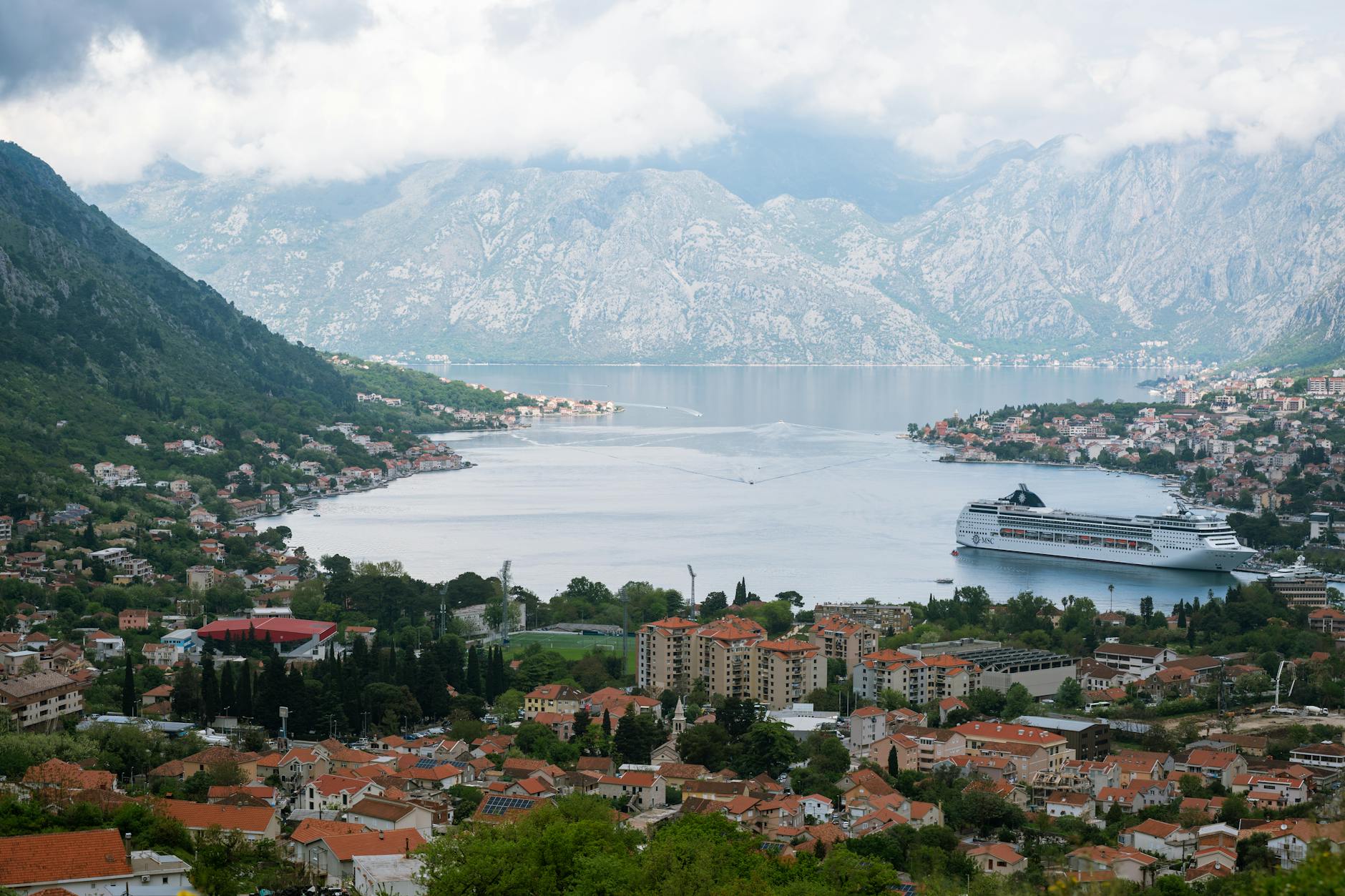
Small enough to cross in a day, Montenegro punches far above its weight. The Bay of Kotor - a fjord-like inlet ringed by medieval fortifications - is arguably the most dramatic coastal scenery in Europe. Head inland and you enter a different world: the Durmitor National Park offers serious hiking, rafting on the Tara River, and some of the most unspoiled wilderness on the continent.
Albania & the Albanian Riviera
Albania is the Balkans’ biggest open secret. The Albanian Riviera, running south from Vlorë to the Greek border, serves up turquoise waters, near-empty beaches, and seafood lunches that cost a fraction of what you’d pay in Croatia. The capital Tirana is colourful and chaotic in the best possible way. Ancient Butrint and the UNESCO-listed city of Gjirokastër add serious cultural depth. Budget travellers in particular will find Albania transformative.
Serbia & Belgrade
Landlocked Serbia is often overlooked by first-time Balkans visitors - which is exactly why it deserves attention. Belgrade is one of Europe’s great nightlife capitals, but it also offers compelling history at Kalemegdan Fortress, excellent contemporary art, and a café culture that rivals Vienna. The countryside around Novi Sad, the Uvac Canyon, and the medieval monasteries of Studenica make compelling day-trip and road-trip territory.
North Macedonia & Lake Ohrid
Lake Ohrid, shared between North Macedonia and Albania, is one of the oldest and deepest lakes in the world - and one of the most beautiful. The town of Ohrid on its eastern shore is a UNESCO World Heritage Site, dotted with Byzantine churches and Roman amphitheatres. It remains genuinely affordable and blissfully uncrowded.
Best Time to Visit
May–June and September–October are the sweet spots across most of the region. Crowds are manageable, temperatures are warm but not brutal, and prices are notably lower than July–August. The coast is swimmable from June through September. If you’re heading inland - to Belgrade, Sarajevo, or the mountain parks - the season extends further in both directions. Winter is largely off the radar for tourists, which makes it ideal for travellers seeking authentic, crowd-free experiences in the cities.
What Kind of Traveller Will Love It
The Balkans suit curious, flexible travellers above almost any other type. History enthusiasts will find layer upon layer to unpick. Hikers and outdoor adventurers are extremely well served. Budget travellers can eat and sleep extraordinarily well for €40–60 per day across most of the region. Foodies will discover slow-cooked meats, freshwater fish, burek pastries, and natural wine scenes that are just beginning to attract international attention.
It is less immediately suited to travellers seeking ultra-luxury resort experiences (though Montenegro and Croatia are catching up), or those who prefer everything pre-packaged and predictable. Part of the Balkans’ magic is its rougher edges.
Plan Your Trip
- Where to stay: From boutique heritage hotels in Dubrovnik’s old town to guesthouses in the Albanian mountains, accommodation options span every budget. See our guides to the best hotels in Split, Sarajevo, and Tirana.
- Getting around: The region is best explored by a mix of buses (cheap and surprisingly efficient), ferries along the Adriatic coast, and rented car for inland areas. Train networks are limited but scenic.
- Budget levels: Albania, Kosovo, North Macedonia, and Bosnia offer exceptional value. Croatia and Slovenia are more comparable to mid-range western European pricing, especially in summer.
- Activities: Hiking in Durmitor, sea kayaking around Dubrovnik’s islands, rafting the Tara River, cycling the Dalmatian coast, and food tours in Belgrade are among the region’s standout experiences.
The Balkans aren’t a single destination - they’re a conversation between civilisations, landscapes, and peoples. Come ready to be surprised.