Most travelers spend months planning flights, hotels, and restaurant reservations. The average pre-departure medical appointment? Still not on most itineraries.
The Research Step That Changes Everything
The CDC’s Travelers’ Health site (wwwnc.cdc.gov/travel) sorts destination-specific health information by country — vaccine recommendations, disease alerts, current outbreaks, and entry requirements for travelers carrying medications. It takes twenty minutes and regularly surprises people who assumed a popular destination was straightforward. Austria, for example, recommends a tick-borne encephalitis vaccine for travelers spending significant time outdoors in forested regions. Costa Rica carries Zika virus risk significant enough that the CDC advises pregnant women to avoid the country entirely. Neither destination registers as a health concern in most travel conversations.
Measles is worth singling out. The CDC notes that most measles cases imported into the United States involve unvaccinated American residents who contracted the disease during international travel. The measles-mumps-rubella vaccine — the MMR — is recommended for travel to essentially any destination, not just developing-world itineraries. Staying current on standard vaccines like MMR is the baseline, not the ceiling.
What the CDC site does well is distinguish between what’s recommended and what’s required. Some countries mandate proof of certain vaccinations for entry — yellow fever documentation is frequently required when traveling through parts of Africa, for instance. Missing that paperwork at the border is a different problem than getting sick.
Use the CDC research as a starting point, not a finishing line. The site flags current outbreaks too, including active situations like the 2026 DRC Ebola outbreak, which belongs in any traveler’s awareness before heading to Central or East Africa.
Getting a Proper Travel Health Consultation
A standard primary care appointment is not the same thing as a travel health consultation. General practitioners may not stock destination-specific vaccines, and many aren’t tracking the rotation of regional outbreaks the way travel medicine specialists do. The International Society of Travel Medicine maintains a clinic directory at istm.org that lets you search by location for certified travel health providers.
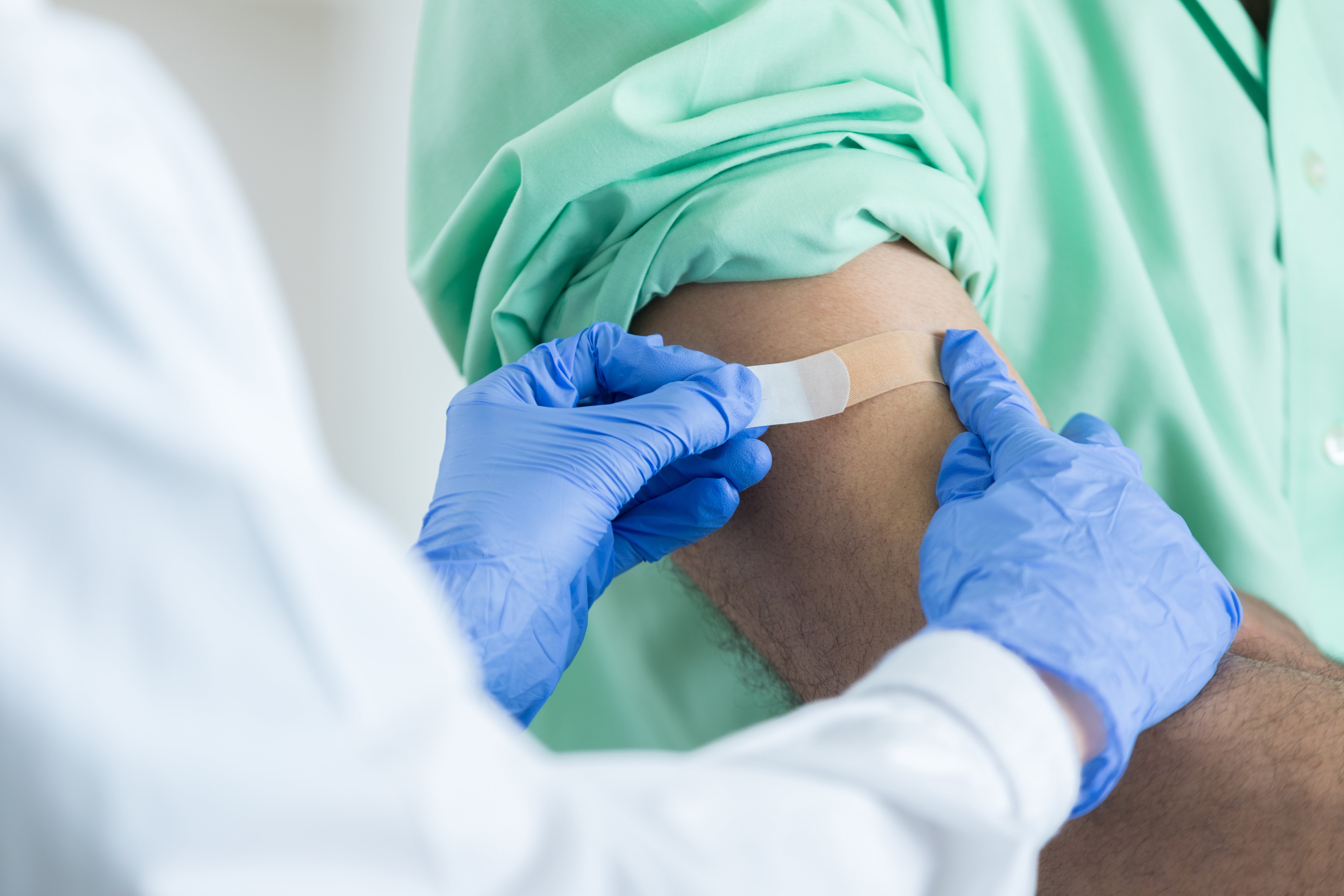
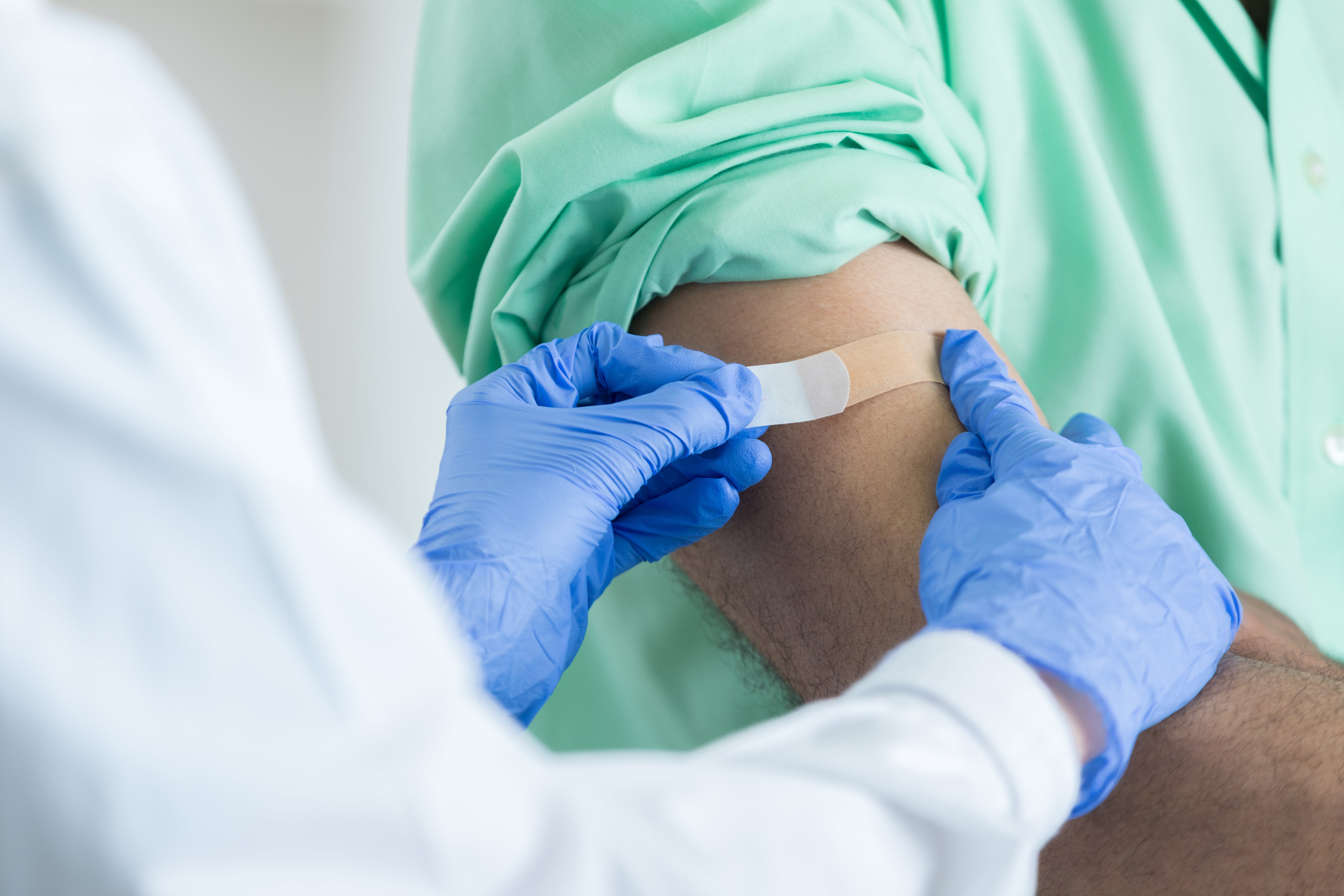
Book the appointment one to two months before departure. That window matters because several vaccines require multiple doses spread across weeks — walk in three days before your flight and you’ve already missed the window for some of them. The consultation covers more than injections: a travel medicine doctor will discuss everything from which mosquito repellent formulations work against which vectors, to how to reduce deep vein thrombosis risk on long-haul flights.
For a recent safari consultation ahead of a Tanzania trip, the recommendations included a tetanus booster, an antimalarial prescription to take throughout the trip, strict avoidance of tap water and uncooked foods, and documentation confirming yellow fever vaccination — which is commonly required at African border crossings.
That last item — yellow fever proof — is the kind of thing that gets travelers turned back. Not sick. Turned back. A travel medicine doctor will flag documentation requirements alongside medical ones, which is a meaningful difference from a general health check.
Health insurance coverage for travel-related preventive care is inconsistent at best. Many plans don’t cover it. HSA funds, however, are eligible for these expenses, which can make a real difference when you’re looking at the cost of several vaccines at once.
Medications: What to Pack, What to Declare, and What Gets Complicated
Pack every prescription medication you take in quantities that cover your full trip length, plus a buffer for delays on the return. Refilling a prescription a week or two early to travel requires a conversation with your doctor — some insurers and pharmacies will flag early refills as a matter of policy, and “I’m traveling” doesn’t automatically override their systems. Get that sorted before you’re standing at the pharmacy counter the day before departure.
Documentation matters as much as supply. Some countries require travelers entering with prescription medications to carry proof that the drugs are prescribed to them — a letter on clinic letterhead, a copy of the prescription, or both. Controlled substances face the strictest requirements. What’s legal to carry in your home country may be classified differently at your destination, and what’s considered a standard quantity in one country may be treated as an excessive supply in another.
Keep medications in their original labeled containers. It sounds obvious until you’ve watched someone repack everything into a weekly pill organizer before a long trip — convenient for daily use, complicated at a customs declaration.
Traveling with injectable medications, such as insulin, adds another layer. Most countries allow these through customs with proper documentation, but airline security protocols for needles and refrigeration requirements for temperature-sensitive drugs require advance planning. Check with both your airline and the destination country’s customs authority directly.
The prescription-medication-and-travel problem doesn’t always look dramatic. Sometimes it’s as simple as an antihistamine sold over the counter at home being a controlled substance elsewhere. Japan, for example, has restrictions on certain medications common in Western medicine cabinets. A few minutes on the destination country’s embassy or customs website resolves most of these questions before they become airport problems.
What the Days Before Departure Actually Require
Sunscreen is the easy version of travel health preparation. For a beach week in a low-risk destination with no underlying health concerns, the checklist is short. But a long-haul trip to a malaria-endemic region, or any trip taken by someone with chronic health conditions or a compromised immune system, demands a more structured approach.
The habit of pre-trip medical preparation is one of those things that only feels unnecessary until it isn’t. Antimalarial medication runs roughly $3–$8 per tablet depending on the drug type and pharmacy, and a full course for a two-week trip in a high-risk area adds up — but it’s considerably less than emergency medical evacuation from sub-Saharan Africa, which can exceed $100,000 without travel insurance covering it.